 White
= Site Links - Grey = Other Websites
-
Teal
= PDF's
White
= Site Links - Grey = Other Websites
-
Teal
= PDF's


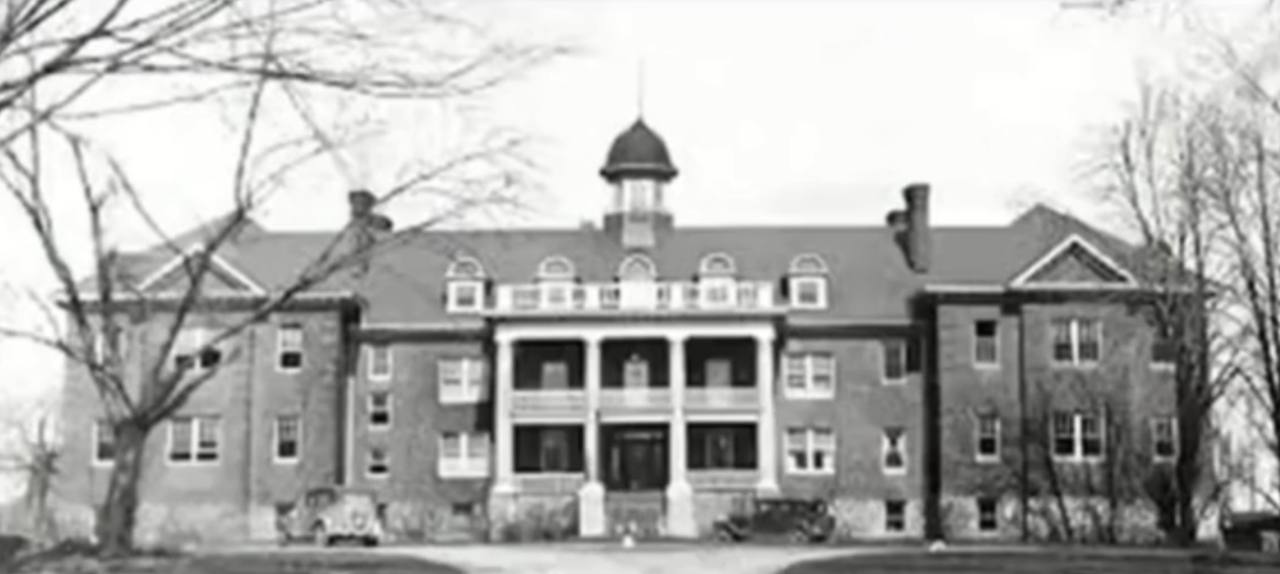
St. Anne’s
Indian Residential
School, located in Fort
Albany, Ontario,
was a Catholic-run
institution
notorious for
extreme abuse of
Indigenous children.
It operated from 1902
to 1976, under the
management of the Oblates
of Mary Immaculate and
the Grey
Sisters of the Cross, with
federal funding
beginning in 1906.
.jpg)
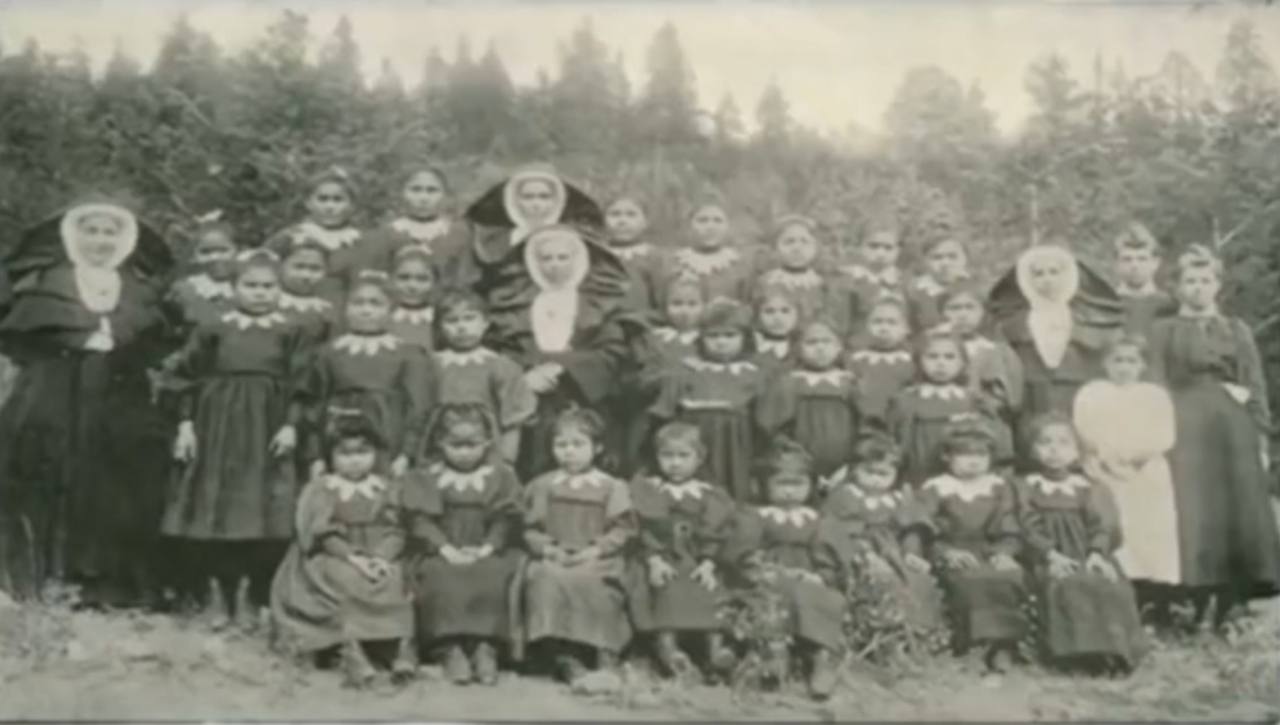
Children attended
from surrounding
First Nations
communities
including Fort
Albany,
Attawapiskat,
Weenusk, Constance
Lake, Moose Fort,
and Fort Severn.
St. Annes
Physical
Abuse
Students
endured routine and
brutal corporal
punishment for minor
infractions and the
use of their native
languages.
Punishments
included:
Whippings
and straps with
ropes, boards,
rulers, beaver
snare wires,
fists,
and open hands.
Confinement
in dark basements
for hours or even
days.
Forced
ingestion of
spoiled food and
vomit.
Improvised
electric chair
punishments, used
as early as the
mid-1950s through
the1960s
Psychological
Abuse
Children
were systematically
isolated from family
and culture, leading
to:
Emotional
trauma and lasting
fear.
Systematic
humiliation, such as
being forced to wear
soiled items on the
head.
Coerced
participation in
abusive games and
routines that
caused repeated
psychological
stress.
Sexual
Abuse
Surviving
records and police
investigations
reveal widespread
sexual abuse
involving nuns,
priests, lay
brothers, and some
older students,
including:
Fondling,
forced kissing,
and violent sexual
assaults, often
occurring at
night.
Staff
occasionally
forced students to
participate in or
witness sexual
abuse.
Gang
assaults between
students,
sometimes
supervised or
allowed by staff.
Use
of restraints,
straitjackets, and
other confinement
methods during
sexual abuse.
St. Annes
.jpg)
.jpg)
Canada's
Residential
Schools
Investigations
and
Legal Actions
Ontario
Provincial
Police (OPP)
Investigation
(1992–1997)
Initiated
after a
community-healing
conference in
1992, the OPP
interviewed
over
700 witnesses
and
collected 900
statements,
examining
incidents
between 1941
and 1972.
This
investigation
identified 74
suspects and
led to 7
charges, with
5
convictions.
|


